

Our History
Preserving the past. Inspiring the future.
A Grand Victorian Vision
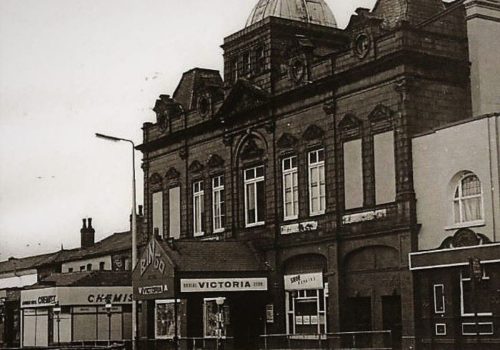
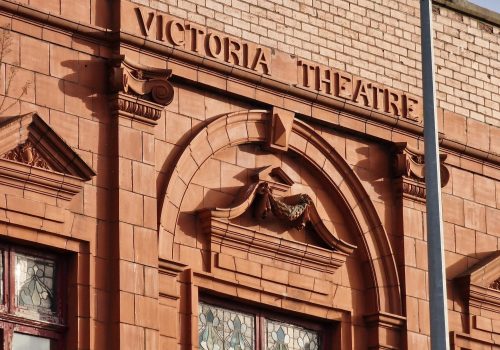
In 1899, at the height of the Victorian era, Broughton Theatres unveiled their newest creation on Great Clowes Street in Salford: The Victoria Theatre. With ambitions to establish a producing house for opera and Shakespeare, they commissioned the renowned theatre architect Bertie Crewe to bring their vision to life.
Crewe designed an opulent theatre with an imposing terra cotta façade and a lavish interior spanning three levels – stalls, dress circle, rear circle, and balcony. Four stage boxes completed the design, offering patrons a place to see and be seen. While the theatre’s original mission was to stage high art, it soon evolved into a receiving house presenting a diverse programme of touring musicals, variety shows, and music hall entertainment.
A Foundation Built by Legends
On October 4th, 1899, Sir Henry Irving, the most celebrated actor of his generation – laid the foundation stone of The Victoria Theatre, accompanied by his friend and manager, the legendary author Bram Stoker. The grand opening followed in December 1900, drawing the cultural elite of Manchester and Salford to witness this architectural gem.
From Stage to Screen and Back Again
The Victoria quickly embraced innovation. Motion pictures were shown as early as November 1901, and by 1913, the theatre had obtained a cinema licence. During its cinema years, films were back-projected, with budget seats available behind the screen where audiences watched the picture in reverse.
Preservation Through Unexpected Means
The theatre returned to live performance in 1917, only to resume cinema operations in 1919 until its closure in July 1958. After serving as a furniture warehouse, the Victoria reopened in 1963 with a vibrant ten-year run featuring repertory theatre, pantomime, amateur productions including operetta, and appearances by music hall legends such as Hetty King and Joan Turner, as well as stars from the Carry On films. During this period, Albert Finney graced our stage in repertory.
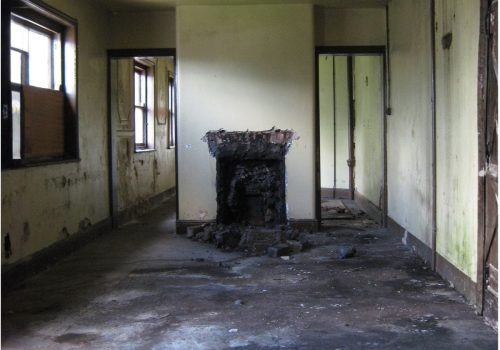
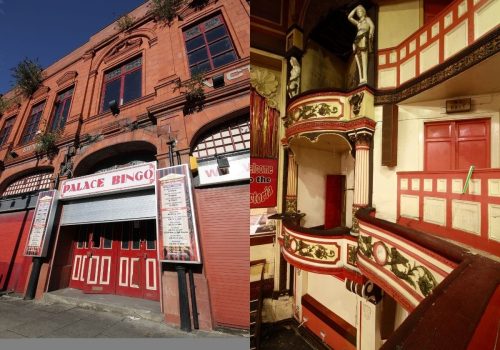
In 1973, the theatre became a bingo hall. While this marked a departure from its theatrical roots, the bingo years proved crucial in preserving the building’s architectural integrity. Though cosmetic changes were made to accommodate equipment, the theatre remained structurally intact. After standing empty during much of the 1980s, independent owners purchased and reopened the building for bingo. The theatre also served as a filming location for television and film productions.

A Sleeping Beauty Awaits
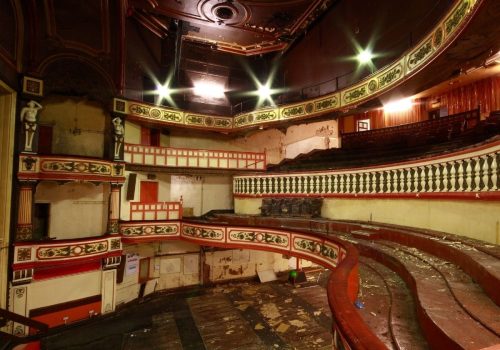
Today, the Victoria Theatre stands as a Grade II listed building, its intimate auditorium still showcasing the original design elements that make it architecturally significant. The interior features two balconies, with the first balcony displaying an unusual raised rear section behind a balustraded parapet. Superimposed stage boxes on each side are adorned with squat Corinthian columns and draped figures supporting arches with richly scrolled plasterwork.
Substantial remains of the original Victorian stage machinery survive beneath the stage, including paddle levers, corner traps, four bridges, and a complete grave trap with platform. The stage rake and safety curtain have been preserved, and the auditorium has been sympathetically repainted. With half the roof repaired and the building now watertight, much of the original plasterwork has survived, with damaged areas readily repairable.

Looking Forward
As Salford undergoes renewal with plans for new housing and commercial development in the surrounding area, the Victoria Theatre stands ready to reclaim its role as a vital centre for the community. This fine example of Bertie Crewe’s architectural legacy awaits the next chapter in its storied history, a sleeping beauty poised for revival.
The campaign has progressed
through partnership with our community
The trust we've built together – both institutional and interpersonal – reflects the shared understanding that the Victoria Theatre belongs to Salford, and that its future success will be a collective achievement shaped by the community it serves.

Viability Study
We completed a comprehensive feasibility study funded by the Theatre's Trust, confirming the buildings restoration potential and community value.
Community Consultation
Ongoing engagement with local residents, council, and community groups to shape restoration plans and future programming.
Fundraising Campaign
Active crowdfunding and grant applications. Building partnerships with heritage organizations and cultural funders.